狗的种类 (应该有五百多种)

Group
Terrier Group - American Kennel Club, Continental Kennel Club, Fédération Cynologique Internationale, United Kennel Club, Kennel Club of Great Britain, Canadian Kennel Club, Australian National Kennel Club, National Kennel Club, New Zealand Kennel Club, Club Español de Terriers (Spanish Terrier Club), American Pet Registry Inc., American Canine Registry
Native Country
Great Britain
Other Names
Smooth Fox Terrier, Wire Fox Terrier
Breed Description

Head: Elongated. Flat skull. Slight stop. Nose bridge tapers toward the nose. Strong jaws covered with a rough coat.
Ears: Small, v-shaped, folded and hanging forward against the cheeks. Erect ear is a disqualification.
Eyes: Small, round. Dark color.
Body: Compact. Muscular neck without dewlap. Clearly pronounced withers. Chest well let down. Ribs moderately sprung. Croup not sloped. Short, horizontal back. Powerful, muscular loin.
Tail: Set high, of fair length, carried gaily but not over the back and not curled. Typically docked.
Hair: Two varieties :Wire hair : Dense, very hard texture, approx. 1,9 cm (0,7 in) long on the shoulders and 3,8 cm (1,5 in) long on the withers, back, sides and hindquarters. Coat on the jaws is very rough. Short, softer undercoat.Smooth hair: straight, flat, smooth, hard, thick and abundant.
Coat: White is the predominant color; solid white, white with tan, black or black and tan markings. Brindle, blue, slate gray, red, or liver markings not permitted.
Size: Dog : 39,3 cm (15,5 in) or less.Bitch : slightly shorter than dog.
Weight: Dog: approx. 8 kg (18 lb).Bitch: approx. 7 kg (16 lb).

History

The Fox Terrier has existed in England since the sixteenth century. There are two varieties, the Wire Fox Terrier and, the older of the two, the Smooth Fox Terrier. The breed is descended from dachshunds, beagles and ancient terrier breeds. Around 1810, the Fox Terrier was selectively bred for hunting fox (hence the breed’s name), boar and badger. A standard for the two varieties was published in 1876 when the Fox Terrier club was formed. The Fox Terrier is now the most popular of the Terriers. The smooth variety is less common than the wire variety.

Behavior

This rustic, hardy, fast dog is full of life, always on the move and possesses seemingly boundless energy. Courageous and bold, he has a strong, established personality. He is affectionate with his owners and gentle with children. He is a vigilant guard, barking to raise the alarm. The Fox Terrier is aggressive toward other dogs and therefore has difficulties living with other animals. Firm but gentle training is required.

Advice

The Fox Terrier can adapt to life in the city, but he requires considerable exercise to prevent him from becoming excessively nervous. This breed does not like to be tied up or closed in. Weekly brushing is sufficient for the smooth variety. The wire variety requires brushing two or three times per week and professional grooming three times per year.

Function

Hunting dog, guard dog, pet.
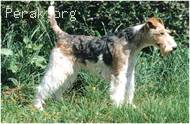
Fox Terrier.jpg

Group
Non-Sporting Group - American Kennel Club, Continental Kennel Club, Fédération Cynologique Internationale, Kennel Club of Great Britain, Canadian Kennel Club, Australian National Kennel Club, National Kennel Club, New Zealand Kennel Club, American Pet Registry Inc., American Canine Registry
Native Country
France
Other Names
Bouledogue Français
Breed Description

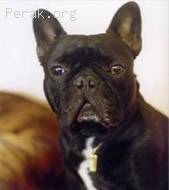
Head: Very strong, wide, angular with folds and wrinkles. Wide, nearly flat skull. Well-domed foreface. Very pronounced stop. Short, blunt foreface. Nosebridge with concentric folds. Wide, turned-up nose. Thick, black lips. Wide, angular, powerful jaws. Moderate underbite.
Ears: Straight, medium-sized, broad at the base and rounded at the tip (bat ears).
Eyes: Round, fairly large, slightly protruding, dark. Edge of eyelids is black.
Body: Compact, very muscular. Topline rising gradually to the loin. Short neck without dewlap. Slightly open, cylindrical brisket. Barrel-shaped ribs. Short loin. Tuck-up. Slanting croup. Broad back.
Tail: Naturally short, thick at the base, screw or straight, tapering toward the tip.
Hair: Close-lying, dense, glossy, and soft.
Coat: Brindle: fawn with vertical black stripes or streaks. A combination of black and chestnut hairs. A minimal amount of white on the chest and head is allowed. - White and brindle, or skewbald: brindle with predominant patching. White ground with brindle markings. A solid white coat is categorized as skewbald.
Size: 25 to 35 cm. (10-14 in).
Weight: 8 to 14 kg. (17.5-31 lb).

History

The French Bulldog is thought to be descended from the Tibetan or Asian Mastiff. After giving rise to the Macedonian Mastiff, the Asian Mastiff was probably imported to England by the Phoenicians. Crosses with various terriers gradually reduced the breed’s size. When the breed appeared in France around 1850, it already had certain similarities to today’s French Bulldog. Subsequent crosses with the Pug and other breeds contributed to today’s model. Prized ratters, French Bulldogs were kept by the butchers of La Villette in Paris and served as bodyguards to Pantin’s bums (Paris’s suburbs) . The standard for the breed was set around 1898. After a period of decline, the French Bulldog is now regaining popularity.

Behavior

Active, bold, strong-willed, and tough, the French Bulldog is a good watchdog. Very affectionate, intelligent, and good-natured, he makes a delightful pet who needs lots of love and attention. He is gentle with children but fairly aggressive with other dogs. He requires firm and early but gentle, persuasive training.

Advice

The ideal city dog, he adapts well to apartment life. During walks, he must be taught not to pull on the leash, or he may develop a poor gait. He hates being separated from his owner. Because of his overly short nose, he may have difficulty breathing, especially in hot weather. He needs daily brushing during the shedding season, as well as a bath every two months. His eyes and the folds on his face need regular attention.

Function

Companion dog, watchdog.
French_Bulldog.jpg

Group
Fédération Cynologique Internationale, National Kennel Club, Continental Kennel Club, American Pet Registry Inc., American Canine Registry, American Canine Association
Native Country
France
Other Names
French Tricolour Hound, French White and Black Hound, French White and Orange Hound
Breed Description

Head: Fairly large and long. Slightly domed skull. Slight stop (pronounced in the French Tricolor Hound and the French White and Orange Hound). Nosebridge slightly curved. Flews covering the lower lip. Nose black or orangish-brown in the White and Orange.
Ears: Turning slightly, reaching almost to the base of the nose when outstretched.
Eyes: Dark
Body: Powerful. Neck fairly long and strong. Chest taller than it is wide. Slightly rounded ribs. Slight tuck-up.
Tail: Fairly thick at the base and fairly long, carried gracefully.
Hair: Lying close to the body, fairly thick, and dense. Finer in the Tricolor.
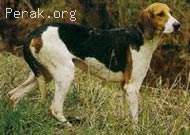
Coat: White and Black: must be white and black with a large mantle or fairly large black spots. Black, steel-grey, or even tan flecks only on the legs. Pale spot above each eye and pale tan markings on the cheeks, below the eyes, under the ears, and at the base of the tail. As in the Gascon Saintongeois, «deer markings» on the thigh are fairly common. Skin is white under white hair and black under black hair, sometimes with blue or pale blue blotches on the abdomen and inner thighs.- Tricolor: white and fawn (rich or even coppery tan) with black mantle. Wolf grey hair is tolerated.- White and Orange: white and lemon or white and orange, as long as orange is not too dark or reddish. Skin white with yellow or orange spots.
Size: White and Black: dog: 65 to 72 cm( 25,5-28 in) ; bitch: 62 to 68 cm (24,5-26,8 in) .Tricolor: dog 62 to 72 cm (24,5-28 in); bitches 60 to 68 cm (23,5-26,8 in).Tricolor, White and Orange: 62 to 70 cm ( 24,5-27,5 in).
Weight: Approx. 30 kg (66 lb).

History

The French Hound, descended from ancient French breeds, comes in several varieties that differ in coat color:- The French White and Black Hound, descended from two breeds from southern France, the Saintongeois and the Blue Gascony Hound, with a splash of Foxhound blood. The variety was officially recognized in 1957;- The French Tricolor Hound, a recent creation (1957) produced by crossing the Anglo-French Tricolor Hound with the French Hound. Crosses were made with the Poitevin, the Billy, and possibly the Blue Gascony Hound. The French Tricolor Hound is sturdier and not quite as fast as the Poitevin. The standard for this variety was officially recognized in 1965; and- The French White and Orange Hound, very rare, was developed in 1978 through crosses with the Billy.

Behavior

These dogs are hardy, brave, and able to maintain a swift pace for several hours. With a good voice and keen sense of smell, they hunt confidently in packs. Their work is meticulous. They specialize in deer. They require a firm owner they can accept as the leader of the pack.

Advice

French Hounds live in kennels. They need space and exercise. They require regular brushing and attention to the ears.

Function

Hunting dog.
French_Hound.jpg

Group
Fédération Cynologique Internationale, National Kennel Club, Continental Kennel Club, American Pet Registry Inc., American Canine Registry, American Canine Association
Native Country
France
Other Names
Dogue de Bordeaux, Dogue d’Aquitaine
Breed Description

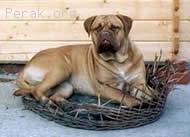
Head: Extremely capacious, angular, broad, relatively short. Viewed from the side, it has the shape of a trapezoid. The skull (perimeter equaling dog’s height) is slightly convex. Strong stop. Forehead, which is wider than high, dominates the face. Deep, symmetrical wrinkles. Powerful, thick, moderately short, slightly hollow muzzle. Broad nose. Extremely powerful jaws. Undershot jaw (lower jaw protruding 0.5 to 2 cm, 0.1 to 1 in). Thick flews.
Ears: Small, slightly darker than the rest of the coat. Drop close to head along the cheeks.
Eyes: Oval, moderately wide set. Hazel to dark brown color in dogs with a black mask, lighter color permissible in dogs with a red mask.
Body: Powerful. Very strong, almost cylindrical neck with dewlap. Powerful, deep, broad chest. Ribs well sprung. Broad, muscular back. Belly tucked up. Slightly sloping croup.
Tail: Very thick, carried low with the tip reaching no further than the hocks.
Hair: Fine, short, smooth, and soft.
Coat: Fawn or dark auburn with a red or black mask. Good pigmentation preferred. Small white markings on the forechest and feet are permissible.
Size: Dog: 60 to 68 cm. (23.5-27 in).Bitch: 58 to 66 cm. (23-26 in).
Weight: Dog: at least 50 kg. (110 lb).Bitch: at least 45 kg. (99 lb).

History

The Dogue de Bordeaux, one of the oldest breeds in France, is the only mastiff of French origin. This dog may be descended from the Roman Molossus, the Spanish Mastiff, and others. During the Middle Ages, the breed was used for hunting and dog fighting. In the eighteenth century, Buffon described it as the Dogue d’Aquitaine. This breed was long known as the “butcher dog” because butchers often selected this breed to protect their homes. He has also been known as the “Turk dog” in reference to his Asian ancestors. An official standard was recognized in 1926 after the breed had been crossed several times with mastiffs.

Behavior

This former fighting dog is an excellent guard dog that vigilantly protects the home with courage, though not aggression. The French Mastiff does not like to socialize with other dogs. This gentle, calm, sensitive dog forms a strong bond with his owner and is very affectionate with children. He rarely barks. This breed detests solitude and lack of activity. This dog must be exceptionally well-trained in order to keep him under control.

Advice

The French Mastiff is not suitable as a house dog. He needs space and exercise. No special care of the coat is required.

Function

Guard and defense dog, pet.
French_Mastiff.jpg

Group
Fédération Cynologique Internationale, National Kennel Club, Continental Kennel Club, American Pet Registry Inc., American Canine Registry, American Canine Association
Native Country
France
Other Names
Charles X Pointer
Breed Description

Head: Fairly large, not too heavy. Skull nearly flat. Slight stop. Wide nosebridge, sometimes slightly convex. Flews well let-down except in the Pyrenees type.
Ears: Medium in length, very loosely folded, framing the head well. Rounded tips touch the base of the nose when outstretched.
Eyes: Brown or dark yellow.
Body: Strong. Fairly long neck, slightly arched with slight or no dewlap. Broad, long chest. Rounded ribs. Short, muscular, slightly clean-flanked loin. Flat flanks. Slight tuck-up.
Tail: Long or docked. In the Pyrenees type, short at birth or docked.
Hair: Short. Fairly thick and dense. Finer on the head and ears. Finer and shorter in the Pyrenees type.
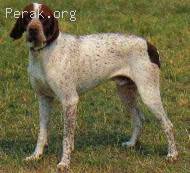
Coat: Chestnut. Chestnut and white, either with abundant spotting or with chestnut marked with fawn (above the eyes, on the flews and legs).
Size: Gascony type: dog: 58 to 69 cm; bitch: 56 to 68 cm. Pyrenees type: dog: 47 to 58 cm; bitch: 47 to 56 cm.
Weight: Gascony type: 25 to 32 kg. Pyrenees type: 17 to 25 kg.

History

Descended from the continental pointer of the Middle Ages, the Italian Cane da Rete, or the Spanish Pointing Dog, the French Pointing Dog was known in France by the seventeenth century and later called the Charles X Pointer. He is believed to be the ancestor of many continental pointers. The breed is divided into two types of different sizes:- Gascony type, solidly built and calm. This type is losing popularity.- Pyrenees type, smaller and lighter but very muscular. This type is very popular. A breed club was founded in France in 1919.

Behavior

Very hardy and resistant to heat, this dog with an excellent sense of smell is as comfortable in the swamps as he is in the woods and fields. The Gascony type trots on the hunt, methodically exploring the terrain. The faster Pyrenees type has a wider search range. He confidently points quarry with fur and feathers. Even-tempered, gentle, sensitive, and very attached to his owner, he makes a pleasant companion. He needs firm but fair training.

Advice

He can adapt to the city but needs daily exercise. He also requires regular brushing and attention to the ears.

Function

Hunting dog, companion dog.
French Pointing Dog.jpg

Group
Fédération Cynologique Internationale, National Kennel Club, Continental Kennel Club, American Pet Registry Inc., American Canine Registry, American Canine Association
Native Country
France
Other Names
Épagneul Français
Breed Description

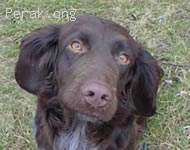
Head: Of medium length and width. Well-chiseled, but not excessively. Pronounced brow bones. Sloping stop. Slightly domed nosebridge a bit shorter than the skull. Brown nose. Upper lip does not cover lower lip.
Ears: Well set-on, covered to rounded tips with wavy, silky hair.
Eyes: Fairly large, oval, dark amber.
Body: Slightly elongated. Slightly arched neck without dewlap. Cleanly cut, pronounced withers. Broad, spacious chest. Loin broad, not too long. Tuck-up. Horizontal, level back. Broad, rounded croup
Tail: Reaching to the hock, carried sloping or curved loosely in an S. Covered with long, wavy hair.
Hair: Long and wavy on the ears, backs of the legs, and tail. Flat, silky, and dense on the body, with some waviness behind the neck and on the upper chest. Close-lying and fine on the head.
Coat: White and brown with moderate patching. Sometimes heavily marked with irregular patches with slight to moderate spotting, or moderately spotted and roan. Brown ranges from cinnamon to dark liver. White flare on the head desirable.
Size: Dog: 56 to 61 cm (22-24 in). Bitch: 55 to 59 cm (21.5-23 in).
Weight: Approx. 25 kg (55lb).

History

Like all the other spaniels who became the first pointers, the French Spaniel is a distant descendant of the longhaired Chien d’Oysel “setter” of the Middle Ages. By the sixteenth century, the French Spaniel was widely used by game bird hunters. After a decrease in population due to competition with English breeds, the French Spaniel was revived in the nineteenth century by Father Fournier. The first standard, written in 1891 by J. de Connick, describes the breed as larger and more powerful than the Brittany Spaniel. The French Spaniel is virtually unknown abroad, and the breed’s population in France is low, despite renewed popularity.

Behavior

Hardy, courageous, persistent, and enthusiastic, the French Spaniel is appreciated for his work on rugged terrain. He is a flusher and excels at work in the water. With an excellent nose but less speed and a more limited search range than the Brittany Spaniel, he hunts at a gallop or extended trot. He points very precisely and is one of the best retrievers. Calm, even-tempered, intelligent, very attached to his owner, and gentle with children, he is a great pet. He needs firm but gentle training.

Advice

The French Spaniel is built for country life. He does not like being left alone and needs to run every day. He requires brushing twice weekly and regular attention to the ears.

Function

Hunting dog, companion dog.
French_Spaniel.jpg

Group
Fédération Cynologique Internationale, National Kennel Club, Continental Kennel Club, American Pet Registry Inc., American Canine Registry, American Canine Association
Native Country
France
Other Names
Wirehaired Griffon, Korthals Pointing Griffon
Breed Description

Head: Large, long. Skull not too broad .Stop not very pronounce . Slightly curved nosebridge. Long, angular muzzle. Brown nose. Prominent mustache and eyebrows.
Ears: Medium in size, lying flat, not curled.
Eyes: Large, rounded, yellow or brown.
Body: Long. Fairly long neck without dewlap. Chest not too broad. Ribs slightly curve. Broad loin. Sturdy back.
Tail: Carried level to the ground. Bushy hair but no plume. Usually docked by one-third or one-fourth.
Hair: Hard and harsh, much like a boar’s bristles. Bushy but not too long. ever curly or woolly. Fine, dense undercoat.
Coat: Preferably steel grey with brown markings or solid brown, often reddish-brown or roan. White and brown or white and orange also allowed.
Size: Dog: 55 to 60 cm (21.5-23.5 in).Bitch: 50 to 55 cm (19.5-21.5 in).
Weight: 20 to 25 kg (44-55 lb).

History

The French Wirehaired Pointing Griffon was developed by E. Korthals, a Dutch kennel master in Germany’s grand duchy of Hesse. Beginning in 1860, he decided to revive the old Wirehaired Griffon through selection, inbreeding, and crossbreeding. To do this, he crossed his own French and German griffons with pointers, spaniels, and the Barbet. The new breed was first shown in 1870, and the first standard was published in 1887. The French Wirehaired Pointing Griffon is recognized as a French breed by the FCI and is well-represented in France.

Behavior

Vigorous, hardy, and enthusiastic, the French Wirehaired Pointing Griffon has a very subtle nose and can maintain a steady gallop. He is a multi-purpose pointer for all game, all types of terrain (from thickets to swampland), and any kind of weather. He is a good tracker, a firm pointer, and a good retriever. He is perfect on woodcock. Gentle, kind, and very attached to his owner, he is a good pet. However, he is strong-willed and a bit restless. He needs firm but not harsh training.

Advice

The French Wirehaired Pointing Griffon is not well-suited to city life. He does not like being left alone or tied up. He needs lots of exercise every day, as well as brushing several times a week and regular attention to the ears.

Function

Hunting dog, companion dog.
French_WH_Pointing_Griffon.jpg

Group
American Canine Association, Continental Kennel Club, Fédération Cynologique Internationale, National Kennel Club, American Pet Registry Inc., American Canine Registry
Native Country
The Netherlands
Other Names
Wetterhoun, Frisian Spaniel, Dutch Water Dog
Breed Description

Head: Strong, powerful, cleanly cut. Broad, slightly domed skull. Stop not very pronounced. Straight nosebridge. Strong muzzle. Nose well-developed, black or brown, depending on coat color. Lips not pendulous.
Ears: Set on fairly low. Medium in length, carried against the head, not twisted. Covered with curly hair that is fairly long at the base.
Eyes: Medium-sized, oval, slightly slanted. Dark brown or brown, depending on coat color.
Body: Very sturdy. Square build. Neck short, strong, without dewlap. Broad chest. Well-sprung ribs. Strong loin. Moderate tuck-up.Short, straight back. Fairly level croup.
Tail: Long and curled, carried above the croup or on the side.
Hair: Except for the head and legs, the entire body is covered with thick curls of stiff, thick hair that is fairly harsh and oily to the touch.
Coat: Solid black or brown, black with white spots, or brown with white spots. A combination coat and patches are allowed.
Size: Ideal: Dog: 59 cm (23 in); bitch: 55 cm (22 in).
Weight: Approx. 25 kg (55 lb).

History

A native to the Dutch Frisian Islands, the Frisian Water Dog has been known for centuries and is thought to be descended from the Otterhound. This water dog (Wetterhoun) was officially recognized in 1942.

Behavior

Tough, hardy, and solid, the Frisian Water Dog is a fine hunter of water game, especially otter. However, because the otter is a protected species in many countries, the Frisian Water Dog is used for all types of work. Reserved toward strangers and slightly aggressive, he makes a good watchdog. Calm but stubborn, he needs firm training.

Advice

He is not a city dog. He needs space and lots exercise, as well as regular brushing and combing.

Function

Hunting dog, companion dog.
Frisian_Water_Dog.jpg

Group
American Canine Association, Continental Kennel Club, Fédération Cynologique Internationale, National Kennel Club, American Pet Registry Inc., American Canine Registry
Native Country
France
Other Names
Virelade Hound
Breed Description

Head: Chiseled, long. Fairly narrow, domed skull. Slight stop. Bridge of nose large and slightly curved. Cleanly cut cheeks. Well-developed nose.
Ears: Set on below the eyes, long and thin, curled, pendulous.
Eyes: Oval, dark brown.
Body: Long. Neck of medium length and thickness, slightly arched, with slight dewlap. Deep, broad chest. Slightly rounded ribs. Loin slightly arched. Fairly long flank.
Tail: Well-set on and very slender at the tip. Carried in saber fashion.
Hair: Short and dense.
Coat: White background with black spots, sometimes flecked. Two black spots usually appear on either side of the head, covering the ears and eyes and ending at the cheeks. Cheeks are tan, preferably pale in color. Two tan markings above the eyebrows form pips. Tan markings on the inside surface of the ears. Tan speckling on the legs. Sometimes, a dead foliage “deer marking” appears on the lower thigh.
Size: Great Gascony Saintongeois: dog: 65 to 72 cm; bitch: 62 to 68 cm (25,5-28 in). Small Gascony Saintongeois: dog: 52 to 60 cm (24,5-26,8); bitch: 50 to 56 cm19,7-22 in).
Weight: Great Gascony Saintongeois: Approx. 35 kg (77lb). Small Gascony Saintongeois: Approx. 25 kg (55 lb).

History

In the mid-nineteenth century, Count J. de Carayon-Latour wanted to revive the declining Saintonge Hound population. To do this, he crossed the last specimens of the breed with Baron de Ruble’s Blue Gascony Hounds, thereby creating the Gascon Saintongeois, or the Virelade Hound, named after his chateau. This was the end of the Saintonge Hound, descended from the Saint Hubert and sporting a white coat with black spots and tan markings. The Gascon Saintongeois is a pack hound that comes in two varieties:- The Great Gascon Saintongeois Hound, used in shooting and sometimes in large game hunting. This variety is becoming extinct and is used in the crossbreeding of other hunting breeds; and- The Small Gascon Saintongeois Hound, used mainly in hare hunting. This variety was developed in the early twentieth century when hunters in southwestern France selected the smallest dogs from Great Gascon Saintongeois litters.

Behavior

This pack hound par excellence is very fast and has a keen nose and resonant howl. He is considered the best hare tracker. Very versatile, he is also used for large game hunting. He needs a firm owner.

Advice

The Gascon Saintongeois Hound is best suited to kennel life. He needs space and exercise, as well as regular brushing.

Function

Hunting dog.
Gascon_Saintongeois_Hound.jpg

Group
American Canine Association, Continental Kennel Club, Fédération Cynologique Internationale, National Kennel Club, American Pet Registry Inc., American Canine Registry
Native Country
Germany
Other Names
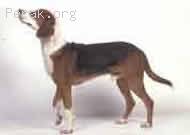
Deutsche Bracke
Breed Description

Head: Lightweight. Slightly domed skull. Pronounced stop. Straight nosebridge. Darkly pigmented lips.
Ears: Set on fairly far back, wide, long, hanging flat.
Eyes: Medium in size. Dark brown. Edge of eyelids pigmented.
Body: Robust. Muscular neck. Long, broad chest. Moderate tuck-up. Straight, well-muscled back. Croup not too long, slightly sloping.
Tail: Long, covered with dense hair (brush), hanging loosely.
Hair: 3 to 5 cm long (1 to 2 in), straight, firm, very dense. Dense undercoat.
Coat: Dark reddish-fawn, may be slightly smoky (black tips), or black and tan. Also allowed: light reddish-fawn or black with limited or indistinct tan markings. White spots undesirable.
Size: Dog: 37 to 38 cm. (14.5-15 in).Bitch: 36 to 37 cm. (14-14.5 in).
Weight: Approx. 20 kg. (44 lb).

History

This ancient breed comes from the Sauerland region of northwestern Germany. Its standard was not written until 1955.

Behavior

The very hardy and enthusiastic German Hound hunts hare in the mountains and tracks wounded large game. His calmness and even temper make him a good companion dog. He needs firm training.

Advice

He needs space and exercise and requires regular brushing.

Function

Hunting dog, companion dog.
German_Hound.jpg

Group
American Canine Association, Continental Kennel Club, Fédération Cynologique Internationale, National Kennel Club, American Pet Registry Inc., American Canine Registry
Native Country
Germany
Other Names
Deutscher Jagdterrier
Breed Description

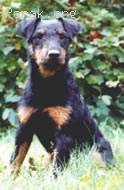
Head: Elongated. Broad, flat skull. Stop not pronounced. Robust muzzle. Rounded cheeks. Powerful jaws.
Ears: Set on high, not overly small, v-shaped, carried lightly against the sides of the head.
Eyes: Small, deep set, oval. Dark color.
Body: Slightly longer than tall. Robust neck. Deep, rounded chest. Powerfully muscled loin. Strong, straight back. Powerfully muscled croup.
Tail: Docked to about one third of its natural length. Carried somewhat high, but not gaily.
Hair: Fairly short, hard, dense, harsh, stiff, lying very close to the skin.
Coat: Black is predominant color, gray and black mixture, or dark brown, with relatively light tan markings above the eyes, on the muzzle, checks, feet and anus. Light or dark mask and small white markings on the forechest and feet are permissible.
Size: 33 to 40 cm (13-15,7 in).
Weight: Dog : 9 to 10 kg (20-22 lb).Bitch : 7,5 to 8,5 kg (16,5 to 19 lb).

History

Descended from English terriers, the German Hunt Terrier was selectively bred in Germany in the nineteenth century. The breed is thought to be the result of crosses between the Fox Terrier, the Welsh Terrier and the Old English Terrier. It is possible that dachshund and pinscher blood was also introduced. This remarkable hunter is considered to be one of the best terriers (unearthing fox and badger). He also hunts boar and hare in small packs, retrieves small land or water game, and is an excellent scenthound.

Behavior

This lively, cantankerous, fearless, courageous “killer” has a difficult personality. Suspicious of strangers, he is a vigilant guard dog. The German Hunt Terrier is aggressive towards other dogs. Though he can be affectionate with his owners, the German Hunt Terrier is one of the few terriers that is not suitable as a pet. Very firm training is required. This dog will obey only his owner.

Advice

This is not a house dog. If he lives indoors, he will become excessively nervous. This breed requires regular outings. Brushing once per week is required.

Function

Hunting dog.
German_ Hunt_Terrier.jpg

Breed Organization
The American Canine Association, Inc. (ACA)
800 Delaware Avenue
Reg. Dept, Box 992
Wilmington, DE 19899-0992
Phone: 1-800-651-8332
Fax: 1-800-422-1864
Website: www.acavet.com

Group
American Canine Association, Continental Kennel Club, Fédération Cynologique Internationale, National Kennel Club, American Pet Registry Inc., American Canine Registry
Native Country
Germany
Other Names
Deutsch Langhaar
Breed Description

Head: Long and chiseled. Slighty domed skull. Sloping stop. Slightly domed nosebridge. Nose a shade of brown.
Ears: Set on high, wide with rounded tips, lying very flat against the head. Slightly wavy hair hanging down from the tips.
Eyes: As dark as possible.
Body: Stout, square built. Solid neck. Deep chest. Well-developed loin. Solid, straight, short back. Slightly sloping croup.
Tail: Well set-on, carried level with the ground or curving loosely upward. Handsome plume.
Hair: Long, lying very flat. 3 to 5 cm on the back and sides of the trunk. Short on the head. Longer on the throat, chest and abdomen. Well-feathered feet.
Coat: Brown.
Size: 63 to 70 cm (25-27.5 in).
Weight: 30 to 35 g (66-77 lb).

History

The origins of the German Longhaired Pointing Dog are not well-known. Some believe that this spaniel is the result of crosses between the German Spaniel (Deutscher Wachtelhund) and French spaniels. Splashes of Irish Setter and Gordon Setter blood may have been added. Despite his attributes, the German Longhaired Pointing Dog is uncommon both in Germany and France.

Behavior

With his effective nose, he can adapt to any style of hunting. He searches actively and has an ample range. He is obedient and very easygoing.

Advice

He needs space and exercise, as well as regular brushing.

Function

Hunting dog.
German_Longhaired_Pointing_Dog.jpg

Group
Herding Group - American Kennel Club, Continental Kennel Club, Fédération Cynologique Internationale, United Kennel Club, Kennel Club of Great Britain, Canadian Kennel Club, Australian National Kennel Club, National Kennel Club, New Zealand Kennel Club, German Shepherd Dog Club of America, American Pet Registry Inc., American Canine Registry
Native Country
Germany
Other Names
Deutscher Schaferhund, Alsatian
Breed Description

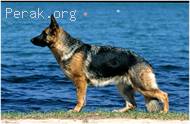
Head: Wedge-shaped and cleanly chiseled. Not overly long, no coarseness. The length of the skull equals that of the forehead. Stop not too pronounced. Wedge-shaped muzzle. Rectangular forehead. Strong teeth. Close-fitting lips.
Ears: Pointed, carried erect and turned forward with center line of each ear being parallel. Medium size.
Eyes: Almond-shaped eyes that slant slightly, never bulging. Eye color as dark as possible.
Body: Medium size with the length being slightly greater than the height. Solid, well-muscled. Solid bones. Strong, muscular neck without dewlap. Chest is well down. Strongly developed back. Broad, strong loin. Long, slightly oblique croup. Back sloping gently from the withers.
Tail: Bushy with last vertebra reaching at least the hocks. Hangs in slight curve
Hair: Double coat with undercoat. Thick, straight, harsh hair lying close to body. Short on the head, front of legs, and feet. Longer and thicker on the neck. Longer on the rear of legs, forming culottes. Disqualifying fault – overly long hair.
Coat: Black with reddish brown, brown, tan, or light gray markings. Mixture of black and dark gray. Black mask and mantle. Small, distinct white spots on the chest are acceptable. Light gray undercoat.
Size: Dog: 60 to 65 cm. (23.-25.5 in).Bitch: 55 to 60 cm. (21.7-23.6 in).
Weight: Dog: 30 to 40 kg. (66-88 lb).Bitch: 22 to 32 kg (48.6-70.6 lb).

History

At the end of the 19th century, Capt. Von Stephanitz selectively bred German Sheepdog varieties from central and southern Germany in order to create a very capable, working dog. Collie blood lines were also introduced. The German Shepherd was shown for the first time at the Hanover Exposition in 1892. Sponsored since 1899 by the German parent club, the German Shepherd has become one of the most widely recognized breeds in the world. During WW I, the German Shepherd proved its worth, sniffing out war gas, standing sentry, and helping in search-and-rescue. Archetype of the working dog, the German Shepherd is today the number one breed in the world thanks to its beauty and adaptability.

Behavior

Must be well-muscled, balanced, confident, alert, approachable, courageous, fearless, and have a fighting instinct. The German Shepherd is obedient, unfailingly loyal, and has an excellent sense of smell. He is lively, eager, and highly trainable because of his desire to obey.

Advice

Early training is vital. This is an active dog with a need for space and exercise, but can live in an apartment in the city if walked daily. This breed does not like to be alone and cannot tolerate being closed inside all day. Brushing twice per week is required. In a litter, it is wise not to select the overexcited or fearful puppy because he could become aggressive.

Function

Above all a working dog: herder, army dog, tracker, search and rescue, guard dog, guide dog.A loyal affectionate pet.
German Shepherd.jpg

Group
Sporting Group - American Kennel Club, Continental Kennel Club, Fédération Cynologique Internationale, United Kennel Club, Kennel Club of Great Britain, Canadian Kennel Club, Australian National Kennel Club, National Kennel Club, New Zealand Kennel Club, American Pet Registry Inc., American Canine Registry
Native Country
Germany
Other Names
German Shorthair, Deutscher Kurzhaariger Vorstehhund, Stichelhaar
Breed Description

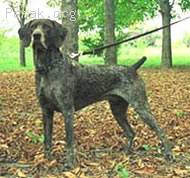
Head: Cleanly cut, neither too lightweight nor too heavy. Fairly large, slightly domed skull. Moderately pronounced stop. Slightly convex nosebridge. Long, broad, thick, and powerful muzzle. Nose brown or flesh colored in white-coated variety. Powerful jaws. Tight, well-pigmented lips.
Ears: Set on high, medium in length, rounded at the tip, pendulous but not twisted, flat against the sides of the head.
Eyes: Medium in size, dark brown.
Body: Slightly elongated. Muscular neck without dewlap. Pronounced withers. Chest taller than it is broad. Well-curved ribs. Short, broad, muscular loin. Broad, well-muscled, sufficiently long, slightly sloping croup. Firm, well-muscled back.
Tail: Set on high, thick at the base, tapering gradually. Docked by about half for hunting. At rest, hanging down. In action, carried level to the ground.
Hair: Short (kurzhaar means “short hair”), dense, crisp, hard to the touch.
Coat: Chestnut without markings. Chestnut with white spots or flecks on the chest and legs. Dark chestnut-roan with chestnut head and chestnut blotches or spots (very good camouflage for hunting). Light chestnut-roan with chestnut head and chestnut spots, with or without chestnut blotches. White with chestnut markings on the head and chestnut blotches or spots. Black with the same shades as for chestnut or roan. Tan markings are allowed. A white flare or blaze with spotted lips are allowed.
Size: Dog: 62 to 66 cm. (24.4-26 in).Bitch: 58 to 63 cm. (23-25 in).
Weight: 25 to 32 kg (55-70.5 lb).

History

The German Pointing Dog is believed to be descended from the strain common to all pointers: the Chien d’Oysel, later called the Chien de Rêts, used for netting birds and for hawking. These pointers attained the courts of German royalty by way of France, Spain, and Flanders. A splash of foreign blood was added through crosses with Spanish, English, and Italian pointers. Today’s model has existed since 1880. France’s German Pointing Dog Club was founded in 1958. This breed is the most popular pointer in Germany and the most widely used pointer in the world.

Behavior

The German Pointing Dog is a vigorous, strong, fast distance galloper with great endurance who is not afraid of the cold and can hunt on any terrain. He is a hunting dog par excellence, a pointer above all. He specializes in feathered quarry in the field or in the woods and can also be used to track wounded game. Bursting with energy but even-tempered and obedient, he is strong-willed and can be stubborn. He is attached to his owner and loves children, making him a good companion. He is a good watchdog but not aggressive. He needs firm training.

Advice

He can adapt to city life but needs space and exercise, including long daily outings. He also needs regular brushing and checking of the ears.

Function

Hunting dog, companion dog.
German_Pointing_Dog.jpg

Group
American Canine Association, Continental Kennel Club, Fédération Cynologique Internationale, National Kennel Club, American Pet Registry Inc., American Canine Registry
Native Country
Germany
Other Names
Wachtelhund, Deutscher Wachtelhund, German Quail Dog
Breed Description

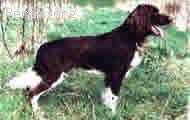
Head: Chiseled. Skull flat, not too broad. Very slight stop. Curved nosebridge. Muzzle equal in length to the skull. Thin lips. Large, brown nose.
Ears: Set on high, flat, not curled, not too long or thick, hanging just behind the eyes. Covered with long, often curly hair.
Eyes: Medium-sized, almond-shaped, slanting, preferably dark brown.
Body: Long. Solid neck without dewlap. High, long withers. Chest deep, well let-down. Short, broad, deep loin. Moderate tuck-up. Very short, solid back Flat, long croup.
Tail: Set on high, carried straight or hanging down, wagged energetically in the presence of game. Docked by one-third its length. Well-feathered.
Hair: Long, tough, dense, wavy. Slightly curly (like Astrakhan lamb’s wool) or flat. Often curly on the neck, ears, and croup. Short on the head. Backs of the legs well-feathered.
Coat: Solid dark brown with white spots on the chest and toes or with tan markings (red to yellow) above the eyes and on the muzzle, legs, and around the anus. Whole-colored in shades of fox red or fawn red. - Roan-brown: roan background (white and brown hairs closely mixed), often with a brown head and brown blotches or a brown mantle covering the entire body. Spotted brown and white (with a white background), harlequin (white background with brown spots and flecks and brown blotches), or tricolor (roan, spotted, or harlequin with tan markings as in the solid-colored variety).
Size: Dog: 48 to 54 cm (19-21.3 in). Bitch: 45 to 51 cm (17.5-20 in).
Weight: Approx. 20 kg (44 lb).

History

Known in German as the Wachtelhund, meaning “quail dog” because of his favorite game, the German Spaniel was developed around 1890 in Germany by the breeder F. Roberth. Several breeds were used in creating this spaniel, particularly an old German breed called the Stöber and various longhaired water dogs. The German Spaniel is not well-known outside his native land.

Behavior

Tough and courageous, the German Spaniel can work on all kinds of terrain, mainly woods and swampland. This active tracker and flusher uses his voice on the trail and hunts all small game but also pests (fox) and large game. He is a good retriever as well as a bloodhound able to track wounded game. He is affectionate and makes a good pet. He needs firm training.

Advice

He needs space and exercise, as well as daily brushing and regular attention to the ears.

Function

Hunting dog, companion dog.
German_Spaniel.jpg

Group
Non-Sporting Group - American Kennel Club, United Kennel Club, National Kennel Club, Continental Kennel Club, American Pet Registry Inc., American Canine Registry
Native Country
Germany
Other Names
American Eskimo Dog
Breed Description

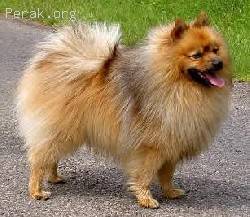
Head: Expression is keen, intelligent and alert.
Eyes: Eyes are not fully round, but slightly. They should be well apart, and not slanted, prominent or bulging.
Coat: The German Spitz has a stand-off, double coat consisting of a dense undercoat and a longer coat of guard hair growing through it to form the outer coat. It is straight with no curl or wave. There is a prounounced ruff around the neck which is more noticeable on dogs than bitches. Outer part of the ear should be well covered with short, smooth hair, with longer tufts of hair growing in front of ear openings. Hair on muzzle should be short and smooth. The backs of the front legs should be well feathered, as are the rear legs down to the hock. The tail is covered profusely with long hair.
Size: There are three seperate size divisions of the German Spitz (all measurements are heights at withers): Toy, 9 inches to and including 12 inches; Miniature, over 12 inches to and including 15 inches; and Standard, over 15 inches to and including 19 inches.

History

The American Eskimo is a member of the ancient and wide ranging Spitz family of dogs. One 18th century German historian claimed that the Spitz was the ancestor of all domestic breeds. White Spitzes were popular in Pomerania and in the coastal regions of Germany. Sailors traded the white dogs throughout Europe. When Queen Charlotte of England acquired several white Spitzes, the dogs became fashionable among British aristocrats. White Spitzes appear in several Gainsborough paintings. German immigrants probably brought the white Spitz dogs to the United States, where they served as watchdogs, family pets, and circus dogs.

Known as the German Spitz in its homeland, the breed was renamed the American Eskimo in 1917. This was probably a reaction to the unpopularity during World War I of anything associated with Germany.

Behavior

The German Spitz is intelligent, alert and friendly, although slightly conservative. It is never overly shy nor aggressive. At home it is an excellent watchdog, sounding a warning bark to announce the arrival of any stranger. It is protective of its home and family, although it does not threaten to bite or attack people. The American Eskimo is a charming, affectionate and loving dog. Hardy and playful, they are excellent with children. Highly intelligent and willing to please.

Advice

The thick snowy white coat is easy to groom. Brush with a firm bristle brush twice a week. It should be brushed daily when it is shedding. This breed is an average shedder. American Eskimos will do okay in an apartment if it is sufficiently exercised. It is very active indoors and a small yard will be sufficient.
German Spitz.jpg

Group
Sporting Group - American Kennel Club, Continental Kennel Club, Fédération Cynologique Internationale, United Kennel Club, Kennel Club of Great Britain, Canadian Kennel Club, National Kennel Club, The German Wirehaired Pointer Club of America, New Zealand Kennel Club, Australian National Kennel Club, American Pet Registry Inc., American Canine Registry
Native Country
Germany
Other Names
Drahthaar, German Wirehaired Pointer
Breed Description

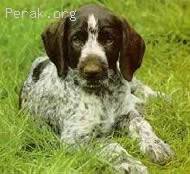
Head: Broad. Foreface has an energetic expression. Slightly domed skull. Moderate stop. Long, broad, powerful muzzle. No pendulous flews. Dark brown nose. Thick beard.
Ears: Set on high, medium in width, not curled.
Eyes: Oval, the darker the better. Bushy eyebrows.
Body: Square build. Neck medium in length, curved. Withers high, well-muscled. Broad, well let-down chest. Well-sprung ribs. Muscular loin. Broad hips. Slight tuck-up. Short flanks. Long, broad, gently sloping croup. Short, straight back.
Tail: Not too thick. Docked for hunting. Carried as straight and level with the ground as possible.
Hair: Hard, wirehaired, lying flat, dense. Good protection from bad weather and injury. 2 to 4 cm in length. Shorter below the chest and abdomen and on the head and ears. Dense undercoat.
Coat: Dark to medium brown (brown mixed with white or light brown, and grizzled. Mixed with black and white hairs, with or without patches of color).
Size: Dog: 60 to 67 cm. (23.6-26.4 in).Bitch: 56 to 62 cm. (22-24.4 in).
Weight: 27 to 32 kg (59.6-70.6 lb).

History

In the late nineteenth century, German breeders desiring a multi-purpose pointer crossed the German Shorthaired Pointing Dog, the Poodle, the Pudelpointer, pointing griffons, and the Airedale Terrier. The Stichelhaar, a broken-coated old German pointer, might also have been used. The German Wirehaired Pointing Dog inherited amazing potential from his ancestors. He is named for his hard, bristly coat (drahthaarig means “wirehaired”). A breed club was founded in 1902 in Germany, and the Kennel Club recognized the breed in 1955. Very popular in Germany, he is well-represented in France.

Behavior

This hardy, courageous, energetic, spirited dog with lightning speed and great endurance works on all types of game on all kinds of terrain and in all weather. With his highly acute nose, he tracks steadily and persistently and points precisely. He is both a pointer and a hunter of hare, fox, and wild boar. He is also a remarkable blood trailer of wounded large game. Very loyal, even-tempered, and gentle, he is a good pet. Given his strong will, possible stubbornness, and jealousy of other dogs, he needs firm but flexible training.

Advice

He can live in the city, though not ideal, as long as he gets two long walks a day. He also requires brushing several times a week and attention to the ears.

Function

Hunting dog, companion dog.
German_Wirehaired_Pointing_Dog.jpg

Group
Working Group - American Kennel Club, Continental Kennel Club, Fédération Cynologique Internationale, United Kennel Club, Kennel Club of Great Britain, Canadian Kennel Club, Australian National Kennel Club, National Kennel Club, New Zealand Kennel Club, American Pet Registry Inc., American Canine Registry
Native Country
Germany
Other Names
Riesenschnauzer
Breed Description

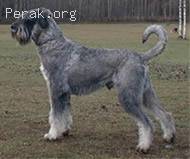
Head: Strong, elongated. Pronounced stop. Rectangular nose bridge. Shaggy muzzle ending in a blunt wedge. Black lips.
Ears: If cropped, carried erect. If natural, v-shaped, breaking at skull level or small and held erect.
Eyes: Oval. Dark color.
Body: Square outline. Arched neck. Medium width chest with moderately sprung ribs. Belly moderately tucked up. Short back sloping gently toward the croup.
Tail: Set high and carried erect. Docked to three vertebrae.
Hair: Hard, wiry, thick. Dense undercoat. Wiry beard on the muzzle; eyes slightly hidden by bushy eyebrows.
Coat: Solid black or pepper and salt. Dark mask. White markings are not desirable.
Size: Giant Schnauzer: 60 to 70 cm (23.5-27.5 in).
Weight: - Giant Schnauzer: 30 to 40 kg. (66-88 lb).

History

Schnauze means muzzle in German, so this breed was named for its characteristic shaggy muzzle. Up to the nineteenth century, Schnauzers were considered rough-haired Pinschers. There are three Schnauzer varieties. The Standard Schnauzer’s ancestry is unknown since it has been around for a very long time. Perhaps its roots can be traced to the Biberhund and a rough-haired ratter, or shepherd breeds. The Standard Schnauzer was primarily used to clear vermin. The Giant Schnauzer is thought to be the result of crossbreeding of the Standard Schnauzer, the Great Dane, and the Belgian Cattle Dog. Of course, the Giant Schnauzer may simply be an enlarged model of the Standard Schnauzer. Depicted in one of artist Albrecht Dürer’s works, the Giant Schnauzer was probably developed in the Wurtemberg region. These dogs guarded farm carts and kept stables free of vermin. The Miniature Schnauzer was developed around 1880 by selectively breeding small Standard Schnauzers. In Europe, the Giant Schnauzer is the most popular variety, but in English-speaking countries, the Miniature Schnauzer is more common.

Behavior

The Schnauzer is high-spirited, energetic, impetuous (though stable), hardy, proud, and dominant. The Giant Schnauzer is calmer than the spunky Miniature. This devoted, affectionate dog loves children and makes an excellent pet. Constantly alert, wary of strangers, and very reliable, the Standard and Giant Schnauzers are excellent guard dogs. This breed requires firm authority and a lot of attention.

Advice

Schnauzers should not be confined indoors. They are active dogs and need space and considerable exercise to stay fit and maintain their mental health. Daily brushing and professional grooming once every three months is required.

Function

Guard dog, defense dog, military dog, pet.
Giant_Schnauzer.jpg

Group
Terrier Group - American Kennel Club, Continental Kennel Club, Fédération Cynologique Internationale, Kennel Club of Great Britain, National Kennel Club, New Zealand Kennel Club, Club Español de Terriers (Spanish Terrier Club), Australian National Kennel Club, American Pet Registry Inc., American Canine Registry
Native Country
Ireland
Other Names
Glen
Breed Description

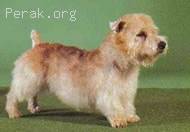
Head: Fairly broad and long. Relatively broad skull. Pronounced stop. Muzzles tapers toward the tip. Powerful jaws.
Ears: Small, rose, or semi-prick when dog is alert.
Eyes: Medium size, round and wide set. Brown color.
Body: Longer than tall. Very muscular neck. Broad, strong chest. Ribs well sprung. Strong loin. Straight back.
Tail: Docked. Strong at the root, carried gaily.
Hair: Medium length, harsh texture. Soft undercoat.
Coat: Blue brindle, but not tending to black. Light wheaten with golden red tones. Ink blue mask. Blue strip along the back, on the tail and the ears is acceptable.
Size: 33 to 35 cm (13-14 in).
Weight: 14-16 kg (31-35 lb).

History

This Irish Terrier has been bred for centuries in the Imaal valley in the county of Wicklow near Dublin. It has been used for hunting fox, badger, and other vermin. The breed was recognized by the Irish Kennel Club in 1933, imported to the United States in 1968, and introduced in France in 1990. However, it is still quite rare outside of Ireland.

Behavior

This robust, rustic, active, courageous, spirited dog is agile and very playful. Glens are excellent companions for children and adults alike. While his demeanor is that of a guard dog, his size makes him far from formidable. However, he is quarrelsome with other dogs. This breed has retained a strong hunting instinct.

Advice

The Glen Terrier can adapt to life in the city if he receives enough exercise. Daily brushing is required.

Function

Hunting dog, pet.
Glen_Of_Imaal_Terrier.jpg

Group
Working Group - American Kennel Club, United Kennel Club, Kennel Club of Great Britain, National Kennel Club, New Zealand Kennel Club, Continental Kennel Club, American Pet Registry Inc., American Canine Registry
Native Country
Turkey
Other Names
Anatolian Shepherd Dog, Anatolian Karabash Dog
Breed Description

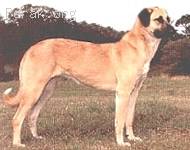
Head: Strong and broad. Slightly domed skull. Slight stop. Muzzle is slightly shorter than the skull. Black lips.
Ears: Medium size, drop, triangular with rounded tips.
Eyes: Small. Golden to brown color depending on coat color.
Body: Powerful. Thick, muscular neck. Deep chest. Belly well tucked up. Chest well-down. Ribs well sprung.
Tail: Long, carried low and slightly curled.
Hair: Thick, short or moderately long. Thick undercoat. Longer on the neck, shoulders, and thighs.
Coat: All colors permissible. Preferred colors are tawny and fawn with black mask and ears.
Size: Dog: 74 to 81 cm. (29-32 in).Bitch: 71 to 79 cm. (28-31 in).
Weight: Dog: 50 to 65 kg. (110.5-144.5 lb).Bitch: 40 to 55 kg. (88-121.5 lb).

History

Descended from molossus of Asian origin, the Anatolian Shepherd Dog?s roots can be traced to the high plateaus and mountains of Turkey. This breed was used to guard sheep and protect them from predators, such as wolves. The Anatolian Shepherd Dog is also used as a hunting dog and army dog.

Behavior

His habit of living and working outdoors in all weather conditions and his rugged past make this a sturdy, hardy breed. The Anatolian Shepherd Dog has a strong personality and is often stubborn and requires an owner with an alpha personality. While he is loyal and gentle with his owner and children, this dog is very distrustful of strangers, making him a superb guard dog.

Advice

The Anatolian Shepherd Dog should live in the country where he can get the vigorous daily exercise that he requires. Regular brushing is sufficient.

Function

Herder, Guard dog, Pet.
Anatolian_Shepherd_Dog.jpg